Table Of Contents
Recommended Installation Guidelines
Proper installation of water tanks is crucial for maximizing their efficiency and longevity. Ensure that the tank is placed in an accessible location to facilitate maintenance and any necessary repairs. Consider factors such as proximity to downspouts and existing plumbing systems. Additionally, the foundation should be stable and level to prevent shifting or damage over time. A professional assessment may help determine the best setup based on your property’s unique characteristics.
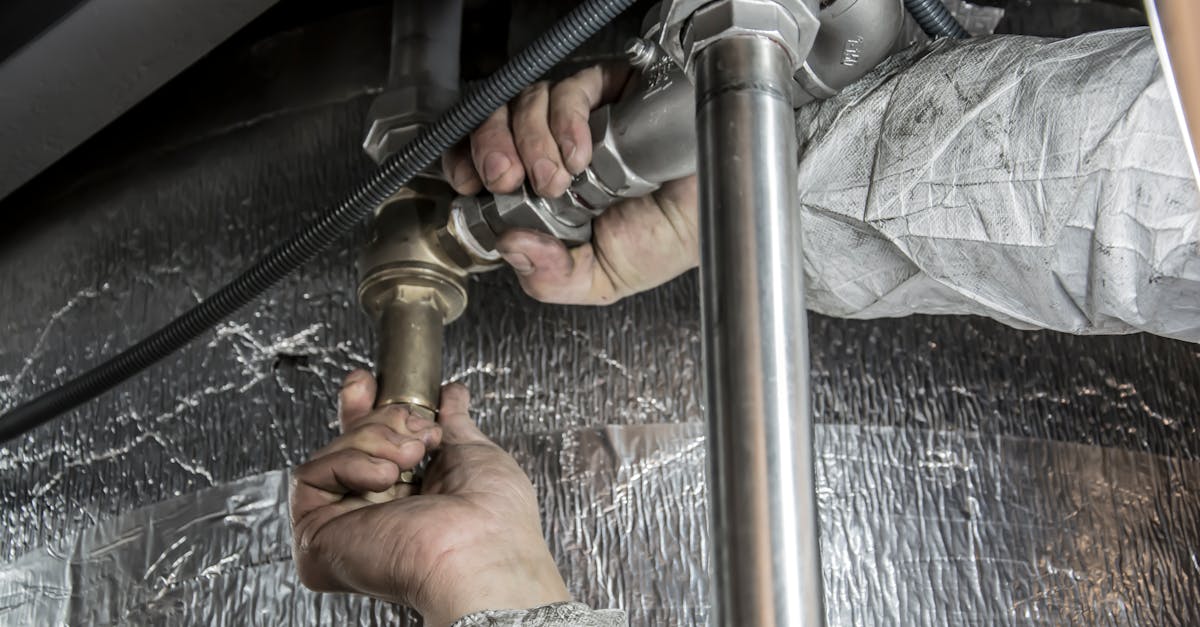
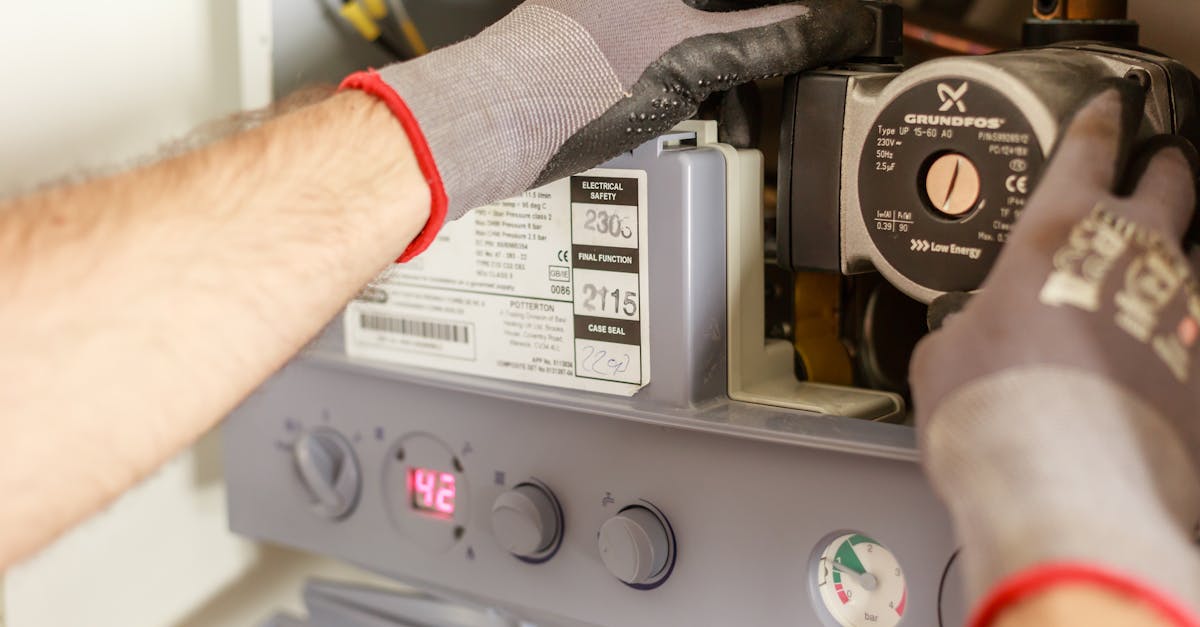
When integrating a water tank with a hot water system installation, it is important to follow manufacturer guidelines and local regulations. The plumbing connections must be secure to avoid leaks and ensure optimal water flow. Regular inspections can help identify any issues early, prolonging the life of both the tank and the hot water system. Always consult with a professional installer for the best practices tailored to your specific setup.
Proper Setup for Maximum Efficiency
To ensure maximum efficiency when setting up water tanks, it is crucial to consider placement and connectivity. Position the tank close to high water usage areas, which reduces the distance water must travel. This setup minimizes energy loss and helps maintain optimal water pressure. Additionally, ensure proper guttering and downspout connections for effective rainwater collection.
Hot Water System Installation should follow best practices to maximize energy savings. Utilize high-quality filtration systems to maintain water quality and prevent debris buildup. Regular maintenance checks can enhance performance by ensuring that all components function correctly, contributing to overall efficiency long-term. An effective setup not only supports water conservation but also provides reliable access to stored rainwater.
Common Misconceptions about the Rebate
Many people mistakenly believe that the NSW water tank rebate program only applies to new water tanks. In reality, the rebate can be accessed for existing tanks, provided they meet the necessary eligibility criteria. This includes a requirement for proper installation and adequate capacity. Homeowners often overlook this aspect, thinking they need to invest in a brand-new system to qualify for the benefits, which discourages them from taking advantage of the program.
Another common misconception is that the rebate program is exclusively for households that practice rainwater harvesting. While rainwater tanks are a significant focus, the program also considers various applications, including residential hot water systems. If the setup contributes to water conservation or efficiency improvements, it can be eligible for the rebate. Misunderstanding the scope of the initiative can lead to missed opportunities for homeowners looking to save on costs while promoting sustainable practices.
Addressing False Information
Misconceptions about the NSW water tank rebate often arise from a lack of clear information. Some individuals mistakenly believe that only certain types of tanks qualify for the rebate, while in reality, a wide range of tank styles and sizes can be eligible. This confusion can discourage homeowners from exploring options that align with their needs. Additionally, some may think that installing water tanks is complicated and costly. In fact, when considering the long-term savings on water bills and the environmental benefits, the initial installation can be a worthwhile investment.
Another false notion is that the rebate is only applicable to new installations. Individuals may overlook the fact that existing water tank systems can also qualify for financial assistance, provided they meet specific criteria. Furthermore, the installation of water tanks can complement other home improvements, such as a new hot water system installation. Embracing the opportunity to install a water tank not only supports personal water conservation efforts but also contributes positively to the local environmental landscape.
Importance of Water Conservation
Water conservation plays a crucial role in ensuring sustainable living. It reduces the demand on local water supplies and minimizes the impact of droughts. By conserving water, individuals contribute to the health of their environment and help maintain ecosystems that rely on adequate water levels. Using water-efficient systems, such as rainwater tanks, assists in achieving these goals while also buffering against rising water costs.
Incorporating measures like rainwater harvesting not only benefits the environment but also supports household efficiency. For instance, using stored rainwater for tasks like irrigation or toilet flushing can lead to significant savings. Residents can also explore the integration of rainwater systems with other utilities, such as their Hot Water System Installation. This can create a holistic approach to water resource management within homes, promoting both economic and environmental sustainability.
Environmental Benefits of Water Tanks
Water tanks play a significant role in conserving water, especially in areas that experience dry spells or droughts. By collecting and storing rainwater, these systems help reduce the demand on municipal water supplies. This approach benefits households by providing a reliable source of water for irrigation and non-potable uses, ultimately leading to lower water bills. Furthermore, when homes incorporate water tanks, they contribute to a healthier water cycle by minimizing runoff, which can lead to soil erosion and sedimentation in local waterways.
Another noteworthy advantage of water tanks is their positive impact on the environment. Harvested rainwater can be used for various applications, such as gardens and flushing toilets, thereby alleviating pressure from traditional sources. Additionally, the integration of water tanks with other systems like Hot Water System Installation can enhance overall efficiency, ensuring that homes are not only conserving water but also utilizing energy resources wisely. This synergy fosters a sustainable living environment and promotes responsible water use on a broader scale.
FAQS
Who is eligible for the NSW water tank rebate?
Homeowners in New South Wales who install a rainwater tank that meets specific criteria may be eligible for the rebate.
What are the criteria for the rainwater tank to qualify for the rebate?
The rainwater tank must have a minimum capacity of 200 liters and be installed for the purpose of collecting rainwater for reuse in the home or garden.
Is there a limit to how many rebates I can apply for?
Yes, there is typically a limit of one rebate per property, but you should check the latest guidelines for any updates or changes.
Do I need to provide any documentation to apply for the rebate?
Yes, applicants generally need to provide proof of purchase, installation details, and compliance with the installation guidelines.
How long do I have to apply for the rebate after installing my rainwater tank?
You usually need to apply for the rebate within a certain period after installation, often within 12 months, but it’s best to confirm the specific timeline in the guidelines.