Table Of Contents
Environmental Impact of Old Water Heaters
Old water heaters can contribute significantly to energy consumption and greenhouse gas emissions. Appliances that have been in service for 15 years or longer tend to operate less efficiently than newer models. This inefficiency often results in higher energy bills and a larger carbon footprint. The outdated technology found in older systems means they can waste energy, contributing to environmental degradation.
The impact of these old systems extends beyond energy usage to include water waste as well. Many older models are poorly insulated, leading to heat loss and increased energy demands. Upgrading to a more modern unit not only benefits individual homeowners through cost savings but can also foster a reduction in overall environmental impact. Embracing newer hot water system installation technologies aids in promoting sustainable practices within the community.
Sustainable Alternatives
When considering sustainable alternatives to a traditional water heater, look into tankless options. These units heat water on demand, eliminating the energy loss associated with storage tanks. They provide an efficient way to meet hot water needs without constantly maintaining a reservoir. Another option includes solar water heaters, which harness the sun's energy, reducing reliance on fossil fuels. Their installation can vary in complexity, depending on your home’s structure and climate.
Heat pump water heaters also present an eco-friendly choice, utilizing electricity to move heat instead of generating it directly. This method is highly efficient and can decrease energy consumption significantly. When planning for Hot Water System Installation, ensure you consult with professionals familiar with these technologies. Selecting the right type aligns with your energy goals while contributing to a healthier planet.
Installation Process for a New Water Heater
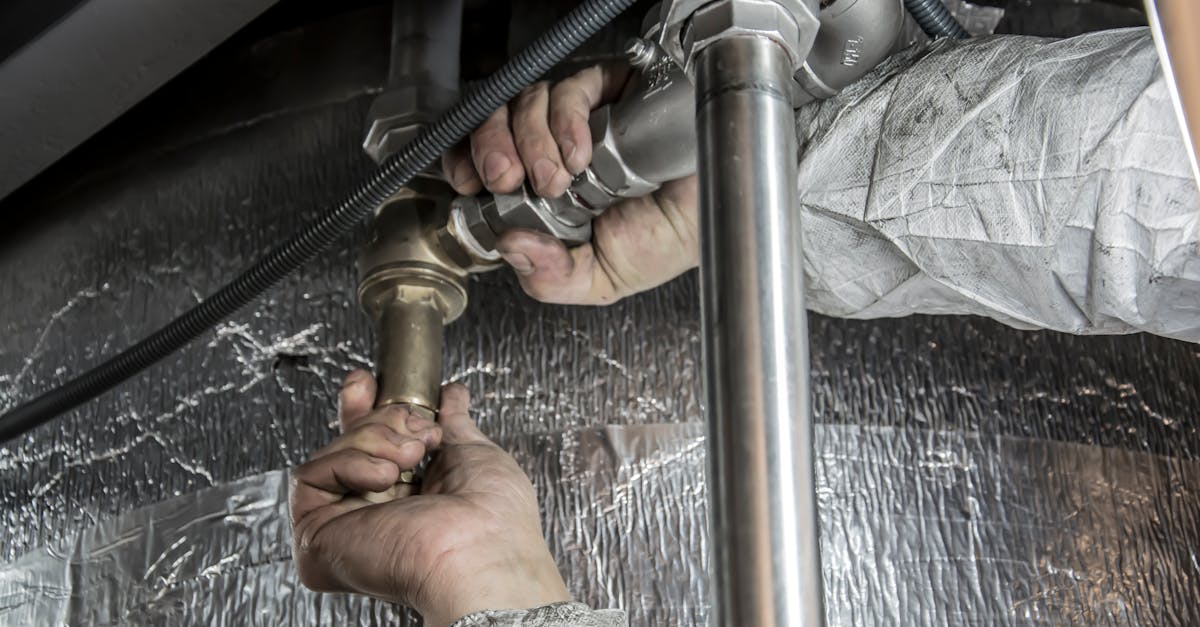
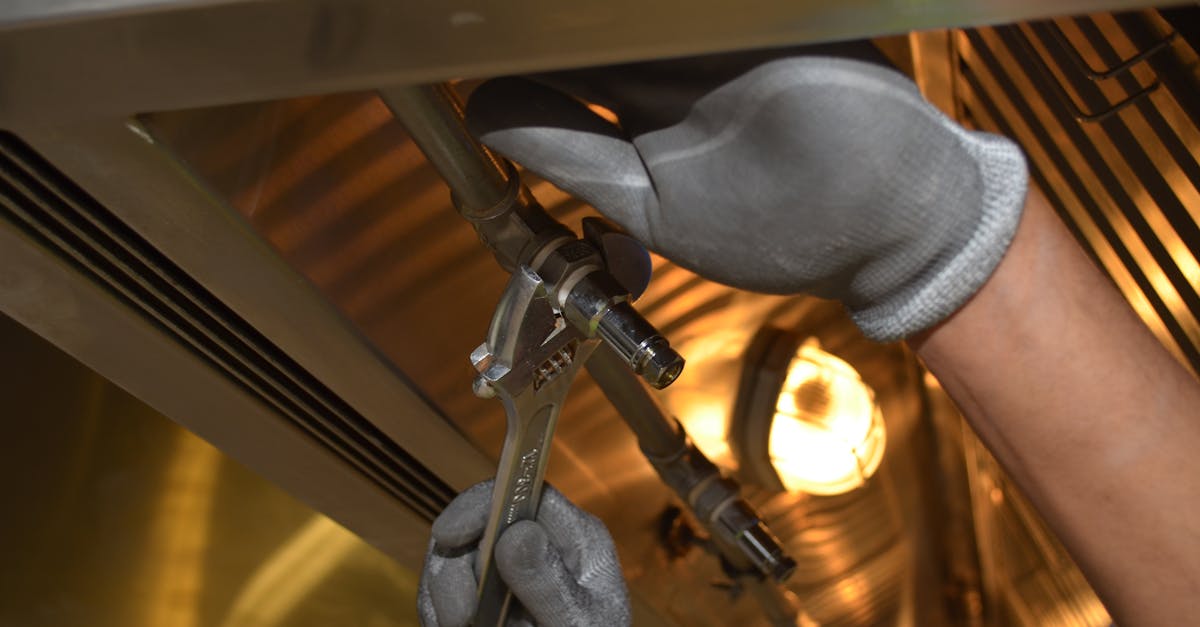
The installation of a new water heater requires careful planning and execution. Initially, it is important to choose the right type of water heater for your needs, whether it is tank or tankless. Before beginning the Hot Water System Installation, ensure that all necessary materials and tools are gathered. This includes pipe fittings, valves, and safety equipment. Proper measurements of the space where the unit will be installed are also essential to ensure a good fit.
Once the preparations are complete, the old water heater must be disconnected and removed. This involves turning off the power supply and shutting off the water valve. Afterward, the new unit can be positioned and connected to the existing plumbing and electrical systems. Care must be taken to follow local building codes and manufacturer guidelines during the Hot Water System Installation. Finally, testing for leaks and ensuring the system functions correctly is critical before placing the unit into regular use.
Professional vs. DIY Installation
When considering a new water heater, one key aspect is whether to opt for professional installation or attempt a DIY approach. Professional installers bring expertise and experience to the table, ensuring that the hot water system installation conforms to local codes and safety standards. They can efficiently navigate any potential complications, such as gas line connections or electrical work, which may arise during the installation process. Investing in a professional service can provide peace of mind as it often comes with warranties and reliable support.
On the other hand, DIY installation appeals to many homeowners looking to save money or take on a hands-on project. If you possess a strong understanding of plumbing and electrical systems, you might find the hot water system installation manageable. However, even minor mistakes can lead to significant issues, including leaks or insufficient heating. It's essential to weigh your level of confidence and expertise against the potential risks involved in a DIY installation for your water heating needs.
Maintenance Tips for Longevity
Regular maintenance is key to prolonging the life of your water heater. Flushing the tank annually helps remove sediment buildup, which can reduce efficiency and lead to damage over time. Checking the anode rod every couple of years is also essential, as it prevents corrosion within the tank. If the anode rod is heavily corroded, replacing it can significantly extend your water heater’s lifespan.
In addition to routine checks, keeping the area around your water heater clean and free from debris can improve airflow and reduce potential damage. Inspecting the pressure relief valve is crucial, as this component protects against excessive pressure. For those considering a new unit, exploring options like “Hot Water System Installation” ensures you select a model that meets your efficiency needs. Investing in these practices promotes optimal performance and reduces the likelihood of unexpected failures.
Best Practices for Care
Regular maintenance extends the life of your water heater and ensures efficient operation. Flushing the tank annually helps remove sediment buildup, which can reduce efficiency and lead to premature failures. Checking the temperature setting on the thermostat is also essential; a setting of 120°F is often ideal for balancing comfort and energy savings. Inspecting the anode rod every few years can prevent tank corrosion.
When new technology is introduced, it's advisable to familiarize yourself with the model's specific requirements to maintain optimal performance. For those considering a Hot Water System Installation, understanding the manufacturer's guidelines for care can prevent issues down the line. If unexpected problems arise, addressing them promptly can save you from more costly repairs in the future.
FAQS
How can I tell if my 15-year-old water heater needs to be replaced?
Signs that your water heater may need replacement include inconsistent water temperatures, strange noises, leaks, or rust around connections. If you're experiencing any of these issues, it may be time to consider a replacement.
What are the environmental impacts of keeping an old water heater?
Older water heaters tend to be less energy-efficient, which can lead to increased energy consumption and higher utility bills. Additionally, they may contribute to higher greenhouse gas emissions compared to newer, more efficient models.
What are some sustainable alternatives to traditional water heaters?
Sustainable alternatives include tankless water heaters, solar water heaters, and heat pump water heaters. These options can provide hot water on demand and use renewable energy sources to minimize environmental impact.
Is it better to hire a professional for water heater installation or go the DIY route?
While DIY installation can save money, hiring a professional ensures the installation is done correctly and safely, particularly regarding plumbing and electrical codes. It can also provide peace of mind with warranties and guarantees.
What maintenance tips can I follow to extend the life of my water heater?
Regular maintenance, such as flushing the tank annually to remove sediment, checking the anode rod, and inspecting for leaks, can help prolong the lifespan of your water heater. Following manufacturer guidelines for care is also essential.